AI and HR techInterviewing and candidate experience
Hiring in the Age of Deepfakes: What we should consider?
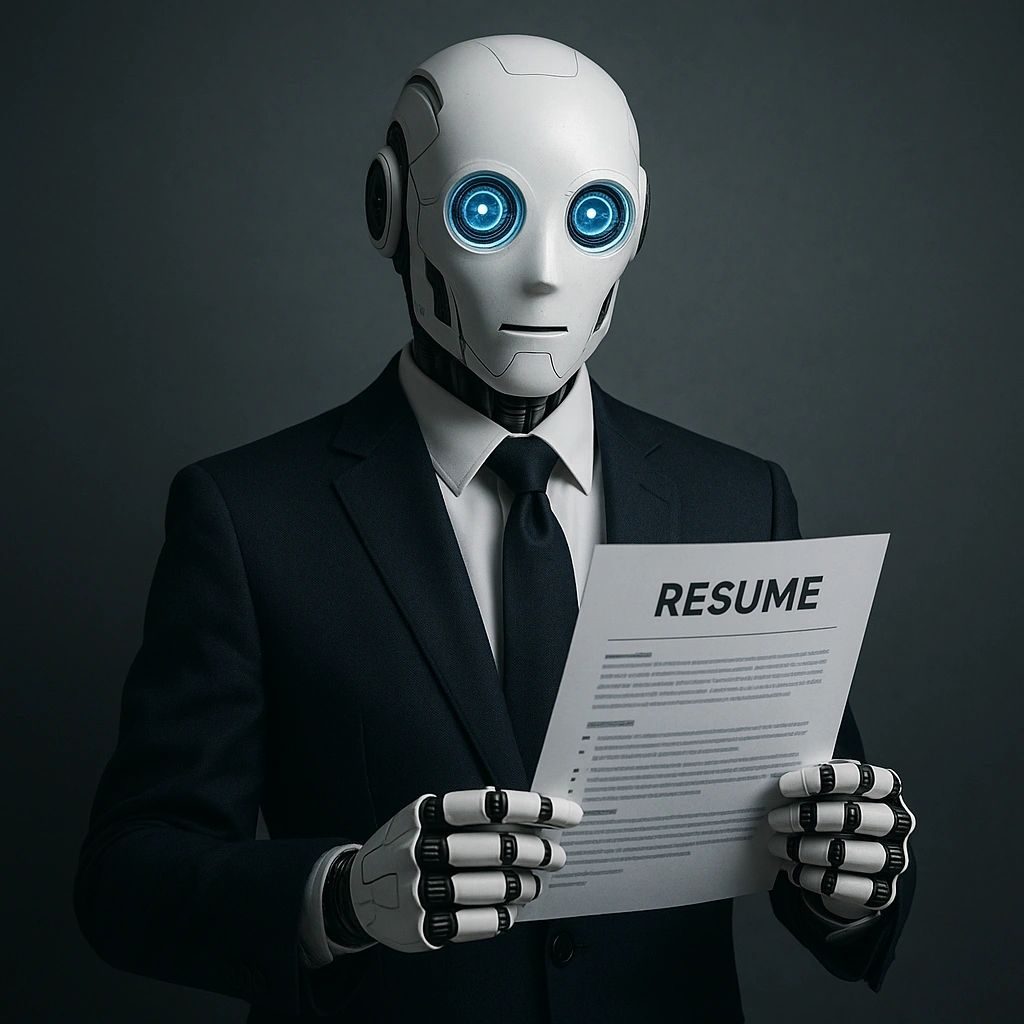
It’s easy to assume that if deepfake candidates become a real problem, some AI tool will just step in and flag them. But the reality will be much messier at least if you are a remote company interviewing candidates virtually. And yes, I may be inventing a problem that doesn’t fully exist yet but that’s how my brain works.
As deepfakes get more convincing especially during interviews. It won’t be realistic to expect recruiters or hiring managers to spot them alone.
While AI may help detect some deepfakes, the most reliable way to validate a candidate’s experience will still come down to good old-fashioned employment verification.
It won’t be reference checks because let’s face it, those will probably be deepfaked too. (Yeah, we haven’t really thought about deepfake reference calls, but they’re coming.)
This is where background check vendors have an opportunity to evolve into much more strategic partners to companies. They already have the infrastructure, networks, and legal frameworks to confirm what’s real. As this issue grows, they’ll likely adapt faster than any standalone AI solution.
It won’t be frictionless, more checks will probably mean longer processes. But the risk of hiring a fully fabricated identity will outweigh the inconvenience.
If you’re a remote first company, this is an issue you may have to start thinking about sooner rather than later. Your interviews probably won’t happen in person, which means you’ll need other safeguards. At the very least, tightening your I-9 verifications and being cautious about granting IT access to new hires will be critical.
Because as deepfakes improve, skipping these steps will carry real consequences: cybersecurity breaches, financial risk, reputational damage, and compliance issues.
Deepfake candidates aren’t a sci-fi scenario anymore, they’re an emerging reality.